We do not keep a list of factories. We keep a map of capabilities.
Our supplier base is organised by what each factory genuinely does well — product type, machinery, technical merchandising strength, compliance standing and the volume tier where it is most competitive.
This is why placement matters more than negotiation. A factory that is excellent at high-volume basics may be poor at low-volume fashion, and vice versa. Placing work correctly is where cost and quality are actually determined.
Every supplier in the network has been visited, evaluated on site and proven on a trial programme before receiving bulk business.
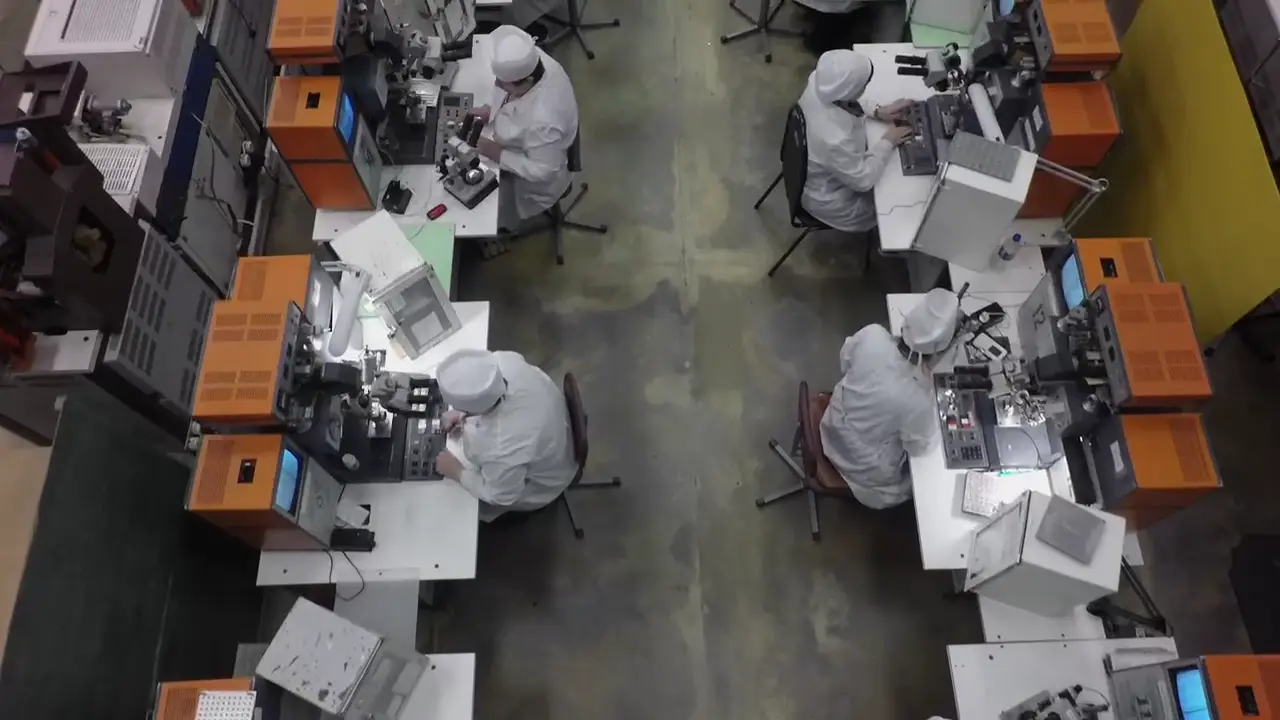
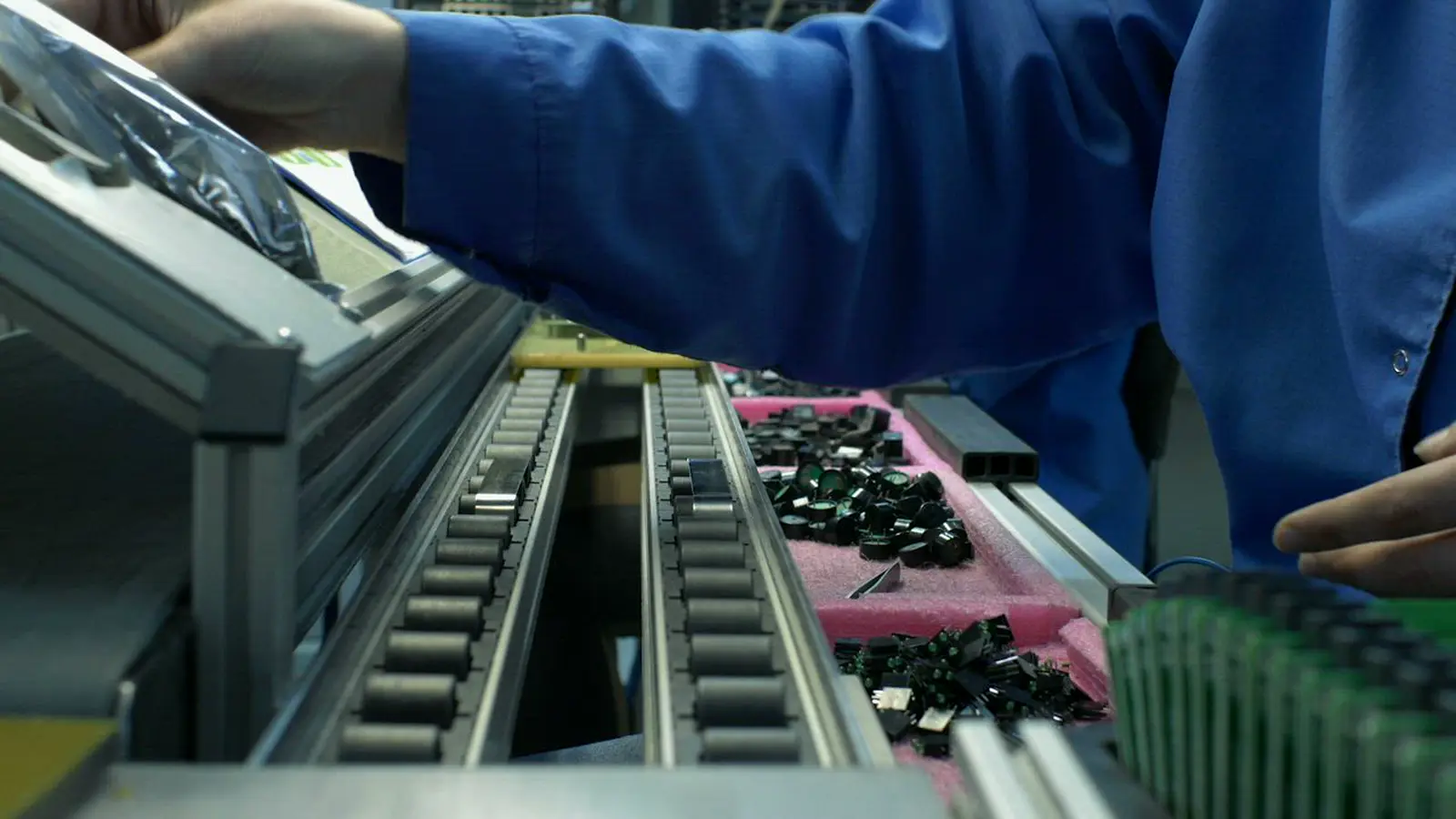
Integrated knitting, dyeing and garmenting for high-volume jersey, pique and fleece programmes.
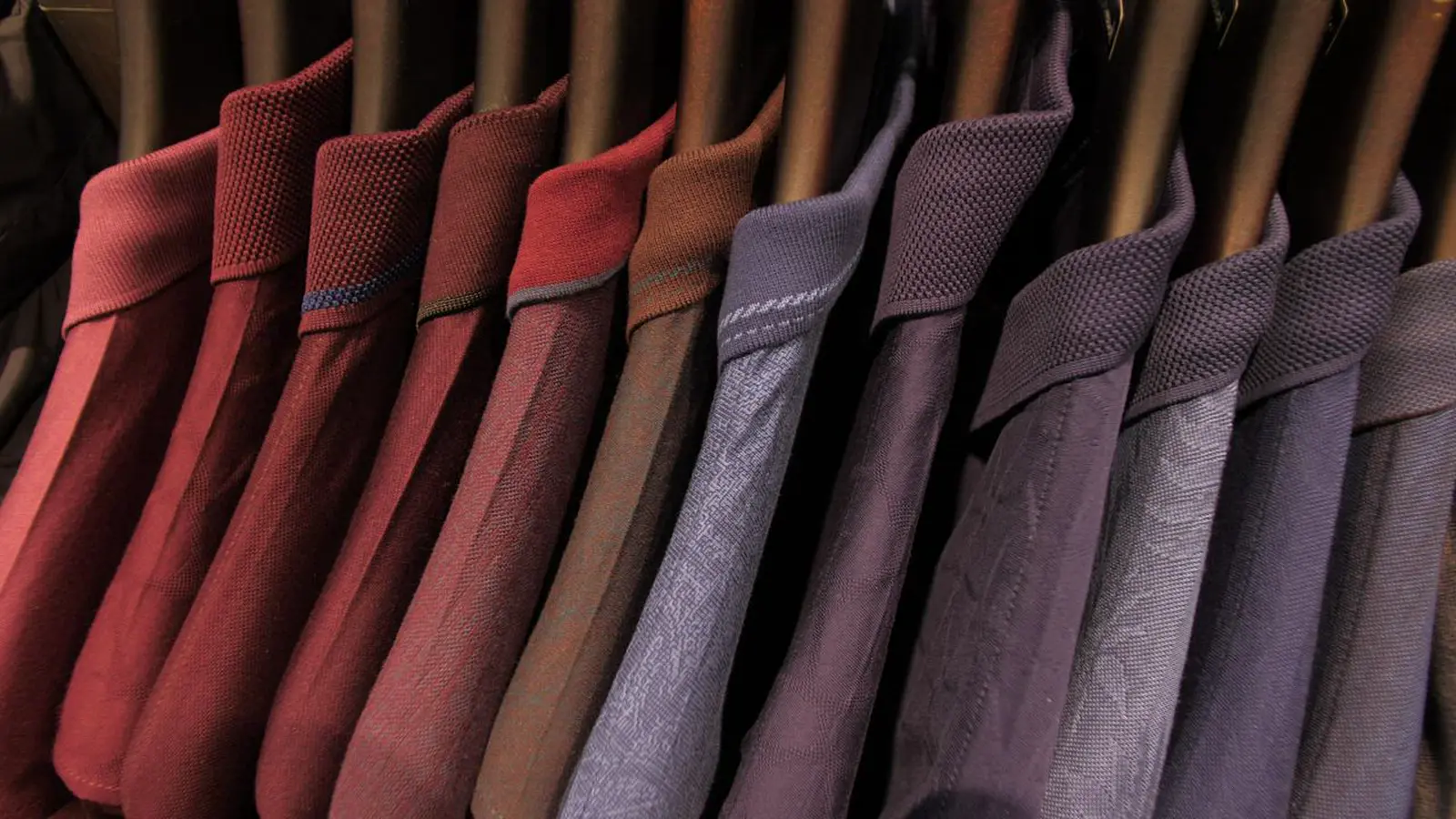
Dedicated shirt and bottoms units with the machinery for collar, cuff and waistband construction.

Denim factories with proven laundry relationships and wash development capability.

Dedicated sweater factories across gauge ranges with linking and finishing capability.

Units with seam sealing, down filling, bonding and flatlock capability.

Factories holding current BSCI, SMETA, WRAP or buyer-specific certification.
Machine list verified on site against the product types the factory claims. Specialist product requires specialist equipment, not willingness.
Actual monthly output, current buyer base and how much of the line is already committed — capacity on paper is not capacity available.
Current audit reports, open corrective actions, building and fire safety status, and subcontracting practice.
The strength of the factory’s own merchandising and quality team, which determines how much follow-up the programme will require.
Whether the factory can fund materials and operate without cash-flow-driven delays.
A sample or trial order run before bulk, assessed on quality, communication and adherence to dates.
Tell us the product, volume and compliance standard and we will match it properly.

