Everyday programmes are judged on the thousandth garment, not the first. Cost discipline, repeatability and - for kidswear - safety built in at design stage.
A single good sample proves very little in these categories. The question is whether garment number forty thousand, made six months later on a different fabric lot, still measures the same and still matches the shade band.
So we buy for repeatability: factories with the capacity to run the volume without subcontracting it away, fabric booked in lots rather than piecemeal, and measurement and shade control applied lot by lot rather than at first output.
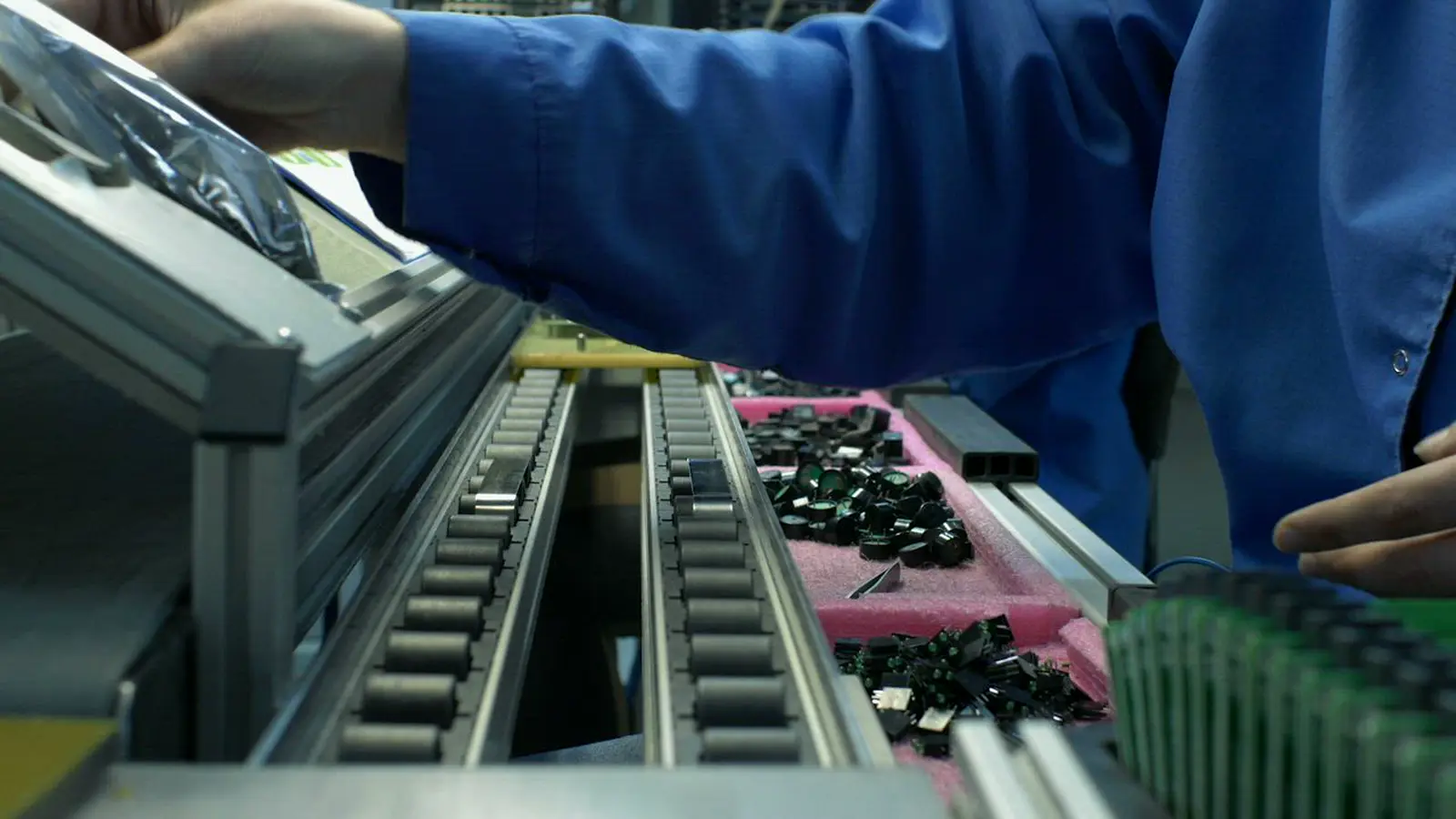
The repeat-volume core of a range, across casual, children’s and uniform programmes.
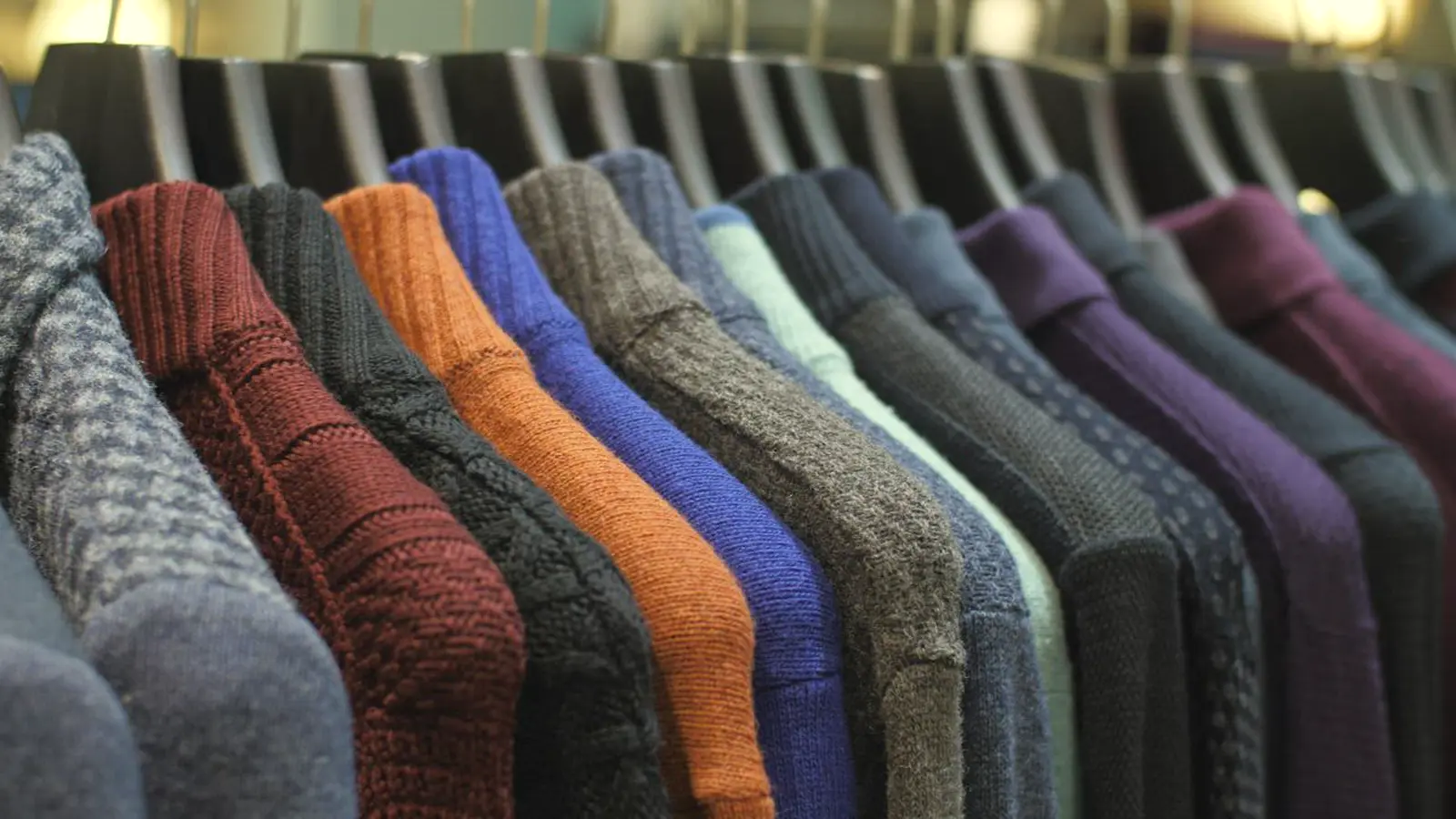
Jersey tops, casual shirting, joggers and shorts built for continuity lines and repeat buys.
Newborn, toddler and older children’s product where safety requirements shape the design from the first sketch.
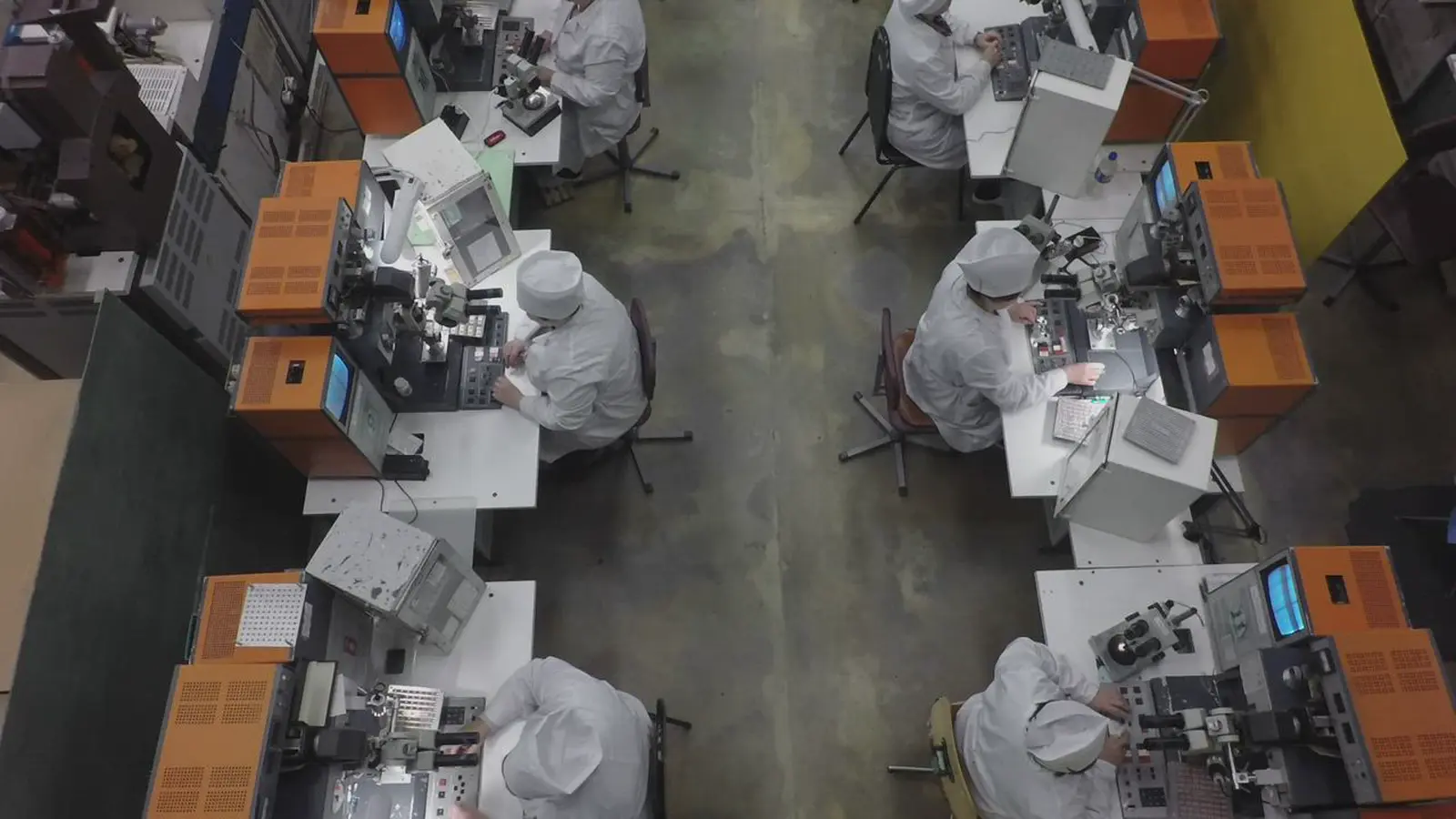
Durable trousers, jackets and utility shirting specified for wear life rather than season.

School, corporate and hospitality uniform run as a repeating programme with held size curves.
Shade and measurement held across lots and across months, because a repeat order that does not match the last one is a return waiting to happen.
Volume placed where it can actually be run, with no quiet subcontracting that puts your order in a factory nobody has audited.
Cords, small parts, hardware and labelling resolved in development, where a change costs a drawing - not at final inspection, where it costs the shipment.
Consumption, wastage and trim choice costed properly at the start, because on volume lines a few cents a garment decides the programme.
Tell us the volumes, the size curve and the repeat cycle. We will place it where it can be held season after season.

